


HELD HOSTAGE: WHEN CHARACTERS TAKE CONTROL
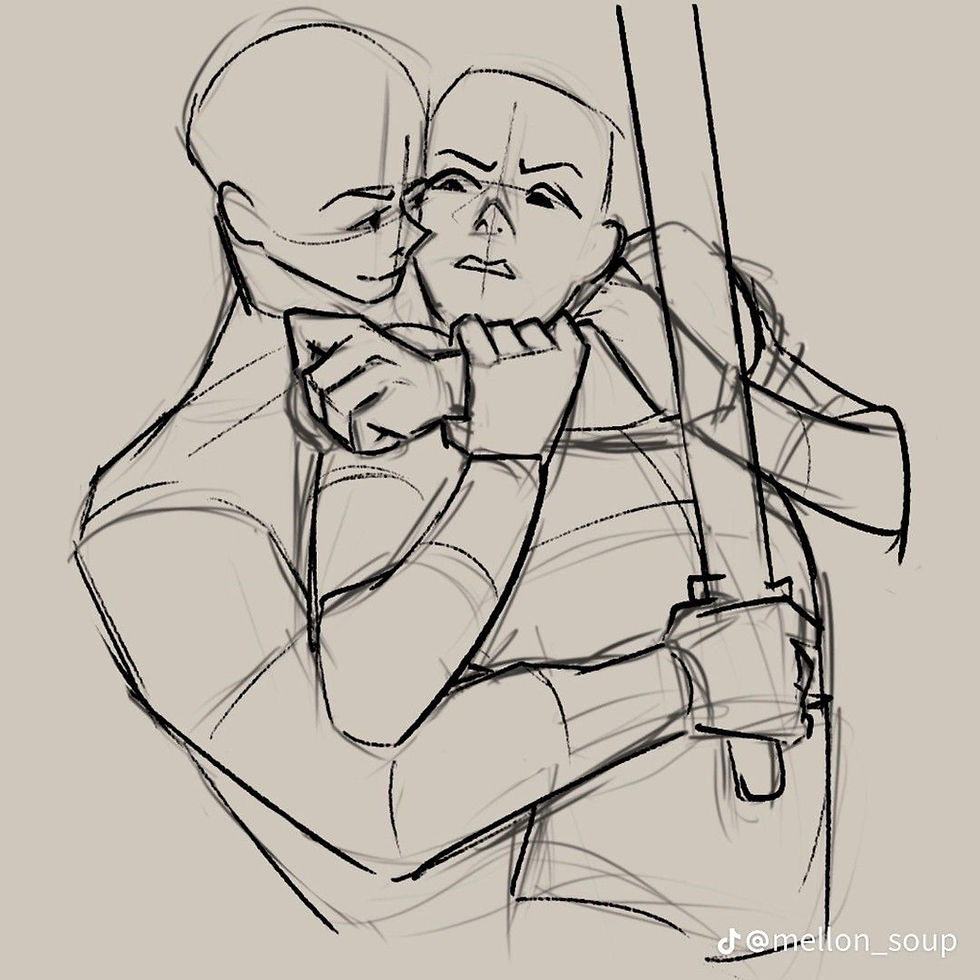
An author knows a threshold has been crossed when the characters grow both a soul and a spine beneath their fingertips. It’s the moment the story tilts for me, the outline dissolves, and I realize I’m no longer steering the narrative. I’ve been hijacked. This phenomenon isn’t mystical. It’s CRAFT. My characters often hold me hostage, and it’s pretty breathtaking.
Every writer experiences the early stages of building out a character, figuring out their backstory and motivations, deep wounds. Desires. But at some point, if I’ve done the hard work, a character begins to think without my help. The voice resonates. The reactions become instinctive. I cannot type fast enough to keep up with what my character is seeing, thinking, feeling. I can predict what they’ll say before I get the words on the page, and sometimes I come to a complete stop because a character says NO. When I have to back up, wipe out a sentence or two or three, and sit there, puzzled, at my character’s resistance, this is when I realize I’ve broken through the fog. I’m inside the character’s mind. I’ve built a psyche so complex it pushes back. The story shifts. A planned plot pivot no longer fits. A secondary character demands more attention. A vulnerability reveals itself I hadn’t seen before. Though this feels like losing control, in actuality, it’s momentum gained. The character has become more authentic.
Immersion at this level comes from three deliberate observations:
Radical empathy. I stop observing and start feeling. Their fears become mine, or vice versa. Their logic mirrors my own. The voice inside my skull is theirs, not mine.
Sensory anchoring. When a character walks into a room, all five of my senses light up…not that I need to spell out every detail, but certain sensations anchor the reader firmly in the moment. The luscious cherry-smoke wafting from a pipe, for instance, which sets a rich, inviting atmosphere. Fingers gliding along the back of a couch convey the fabric beneath their touch, inviting the reader to feel a tactile connection.
In a tense scene, sounds become crucial; a creak of the floorboards or a distant whisper pulls the

character—and the reader—deeper into the action, fueled by curiosity and dread. Physical reactions pulse through the narrative: the tightening of a throat, a hard swallow, beads of sweat trickling down a forehead, all so visceral and immediate that they leap off the page. Each sensation transforms words into a palpable experience.
Emotional Mirroring. Like most authors, I overlap my personal history with my characters’ personal histories. I want it to resonate deeply. If my pulse spikes as I’m writing, this is when I know the hostage takeover has begun. I’m not just writing the character, I’m channeling them!
Good thing? Bad thing? Who knows? It’s fun! And what does it say about me that I love, love, love writing the villains? There is just so much antisocial, neurotic, and damaging backstory to play with. I surprise myself, sometimes.

Case in point: Claire Thorne, Rachel Golding’s nemesis-in-the-making throughout my latest manuscript. A dangerous grudge has blossomed into a vendetta over something horrible that happened during Claire and Rachel’s final beauty pageant competition. Both women had been raised by ambitious mothers who’d dreamed of their daughters wearing the Miss South Carolina Radiance crown. Both women bear scars from years spent on the runway beneath the relentless glare of spotlights. Claire has hated Rachel for thirty, long years. Thirty years of hating. Thirty years of mockery and criticism. Thirty years of feeding the venom in her soul over what she imagines Rachel has done.
Think about it. What must thirty years of spiteful hatred and jealousy do to a woman’s soul? It’s definitely not pretty, and you’ll have to read the book to discover what happens, but at some point, I started channeling Claire’s pain, her wounds, her sorrow over all she’s lost. I felt the shift, and it translated to authenticity on the page. (FYI, my agent has this manuscript, and we should start submitting to publishers soon. I will keep everyone informed!)
In short, being held hostage by my characters isn’t a loss of control—it’s a sign I’ve created something real. The story is suddenly a three-dimensional, living, breathing organism. For me, when my characters take over, they not only enrich the narrative but captivate the reader’s imagination. This dynamic interplay transforms the writing process into an exhilarating journey, one the reader senses and feels!


